
English
- 中文
- English
Modular Construction Market Size, Share and COVID-19 Impact Analysis, by Type , by Material , by Application and Regional Forecast
2025-10-13 00:00:00
Click:
“
In 2024, the global modular construction market size was 89.44 billion US dollars. It is expected that the market will grow from 94.84 billion US dollars in 2025 to 151.53 billion US dollars in 2032 during the forecast period.
”
Modular construction market size
In 2024, the global modular construction market size was $89.44 billion. It is expected that the market will grow from $94.84 billion in 2025 to $151.53 billion in 2032, with a compound annual growth rate of 6.9% during the forecast period. Asia-Pacific accounted for 45.32% of the global market in 2024. The modular construction market in the United States is expected to grow significantly, estimated to be worth $31.32 billion by 2032, due to the increasing use of prefabricated buildings in the hospitality industry.
The prefabrication at construction sites, as well as the delivery and installation of engineering building units, are modular. Volumetric building modules are usually large service units for kitchens, bathrooms, entire rooms, or parts of rooms. Modular buildings are constructed faster than traditional buildings because they take less time to complete. Other advantages of modular buildings include greater flexibility, better air quality, and shorter construction schedules.

Modular construction solutions are thriving among housing giants due to their key benefits, including less waste, durability, lower costs, environmental friendliness, and flexibility. Industry experts say such projects take 30%-50% less time than traditional construction. Modular structures are highly versatile due to custom accessories developed according to customer requirements. Infrastructure activities have been booming in response to the growing demand and supply mismatch caused by rapid urbanization. Amana Investments, based in the Gulf Cooperation Council (GCC), plans to establish a seamless off-site construction platform under the Dupod and Dubox brands, ultimately leading to the adoption of innovative manufacturing processes.
Impact of COVID-19
Covid-19 has hindered opportunities for new construction activities
Covid-19 has caused considerable economic losses. Nationwide lockdowns have halted construction and affected this labor-intensive sector, as migrant workers leaving labor colonies at construction sites have severely hindered construction activities worldwide. According to a study by the International Labour Organization, nearly 52% of labor absenteeism was observed in India's construction market during the COVID-19 pandemic. The latest emergence of Covid-19 has increased market uncertainty and volatility. This has led to complete economic shutdowns in India, China, the United States, Italy, Israel, the United Kingdom, and other countries, severely impacting businesses across the industry.
In addition, fluctuations in global stock markets have had an adverse impact on manufacturers' stock prices and trading volumes. This has led to a gradual decline in Intew Intew's residential and non-residential structures, which has reduced the demand for modular structures. Furthermore, commercial and residential construction projects are typically supported by financial institutions and investors. According to data from the European Investment Bank, approximately 13.3 billion U.S. dollars in Europe is allocated to infrastructure development, environmental projects, small and medium-sized enterprises, and medium-cap stock financing. Due to the sudden outbreak of the pandemic, cash outflows from the ecosystem have been significantly hindered, resulting in lower return on investment.
Modular Construction Market Trends
Deployment of intelligent manufacturing technologies to enhance product demand
Modular construction is one of the most well-known enterprises today, adopting agile methods to optimize overall operations. Permanent Modular Construction (PMC) is a construction method that uses off-site manufacturing processes to prefabricate single-story and multi-story structures. This enhances the overall construction workflow by improving operational performance, identifying and evaluating process improvement measures, and identifying and evaluating process improvement measures. For example, Skender opened a modular production building at its advanced manufacturing site in Chicago in May 2022. In addition, major companies worldwide are adopting innovative ways to modernize their modern businesses, including lean manufacturing and management, Standardized Project Management (SPM), and Building Information Modeling (BIM), which further drive market growth.

Request a free sample to learn more about this report.
Growth factors of the modular construction market
In rapidly developing economies, increasing investment in infrastructure to promote market development
Infrastructure investment is continuously growing due to the increasing industrialization and urbanization in developing economies such as India, Vietnam, and China. Additionally, commercial space investment is expected to make a positive contribution to the revenue of the prefabricated construction market. For example, in India, commercial property leasing saw a 30% growth in the first quarter of 2022, with the leased area estimated to be approximately 60 million square feet.
The favorable policies drafted by the government are driving positive market growth.
To promote sustainable construction activities and create green infrastructure as part of their environmental protection plans, most government authorities around the world are keen to formulate policies that will reduce construction and demolition waste. For example, the Singapore government has implemented a policy requiring the application of PPVC products (Pre-fabricated, Prefinished, Volumetric Construction) in projects developed on government-owned land. In addition, to increase the adoption of modular construction, governments worldwide provide subsidiaries to construction companies.
The continuous development of government initiatives aimed at reducing construction waste and promoting green buildings has driven the market. For example, the Singaporean government has used PPVC (Prefabricated, Pre-engineered, Pre-fabricated, Volumetric Construction) elements in many projects on government land. In addition, the government provides subsidies to companies for standardized modern construction methods. In 2016, the Chinese Parliament issued a notice stating that 30% of new buildings would use prefabricated construction materials. Furthermore, it is expected that government spending on research and development of new construction solutions will increase in the near future.
Limiting factor
The increasing investment in off-site manufacturing and the financial crisis have hindered the growth of the market.
Modular construction is closely related to off-site manufacturing, which requires substantial investment and yields long-term returns, and it also demands stable market growth. Project pre-planning is one of the key constraints in the modular process, as it may lead to extensive planning for critical components such as design coordination, on-site installation, and transportation. Therefore, strategic project pre-planning increases manufacturing investment, which puts pressure on the speed of investment in further stage planning, thereby hindering the growth of the overall market.
Segmentation Analysis of the Modular Construction Market
Analysis by type
Due to its cost-effectiveness, PMC holds a major market share
By type, the market is divided into Permanent Modular Construction (PMC) and Relocatable Modular Construction.
PMC holds the largest market share and is the fastest-growing market segment. PMC modules can be retrofitted into existing buildings or delivered as turnkey solutions with time and cost efficiency. It is expected that relocatable modular construction will grow gradually because temporary housing and relief operations for emergency actions have become increasingly important over the past few years. These buildings are specifically designed to be reused, repurposed, and transported to various project sites.
Through material analysis
Due to the increasing demand for road infrastructure, the concrete segment dominated the global market in 2022.
By material type, the market is divided into concrete, steel, and wood.
The concrete segment generated significant revenue in 2022. This is due to the growing demand for concrete materials in the road and highway infrastructure industry. In addition, wood segments are expected to have the highest compound annual growth rate during the forecast period, driven by the rising demand for antique multi-storey wooden and bamboo houses. However, the steel segment is growing moderately due to the increasing demand for steel infrastructure in the industrial sector.
Through application analysis
Due to the increase in the number of startups, commercial applications are the fastest-growing market segment.
Based on applications, the market is divided into commercial, healthcare, education and institutions, hotels, etc. (residential, etc.).
The increase in the number of startups in developing economies has led to the growth of the business sector. In December 2022, according to a study published in the *Financial Express*, India's startup unicorns will account for nearly 4% to 5% of the country's total GDP. Due to their cost-effectiveness, high quality, and time efficiency, healthcare providers are seeking prefabrication as a viable option. They are using prefabricated rooms for bathrooms, headwalls, and entire hospitals.
It is expected that the cost-effectiveness and time efficiency of easy installation will increase the demand for modular units in the hotel and education sectors. Other market segments are projected to show steady growth amid moderate global demand for modular structures.
Learn how our reports can help optimize your business and communicate with analysts.

Author:
Shanghai Zhenzhi Wood Industry Co., Ltd.








Related News
-

2025 Shanghai International Urbanization & Architecture Expo
-
Work Points for Green Development in Shanghai's Construction Sector in 2025 Released
-

350 meters! A Japanese company plans to push wooden buildings to another new height.
-
Modular Construction Market Size, Share and COVID-19 Impact Analysis, by Type , by Material , by Application and Regional Forecast
-
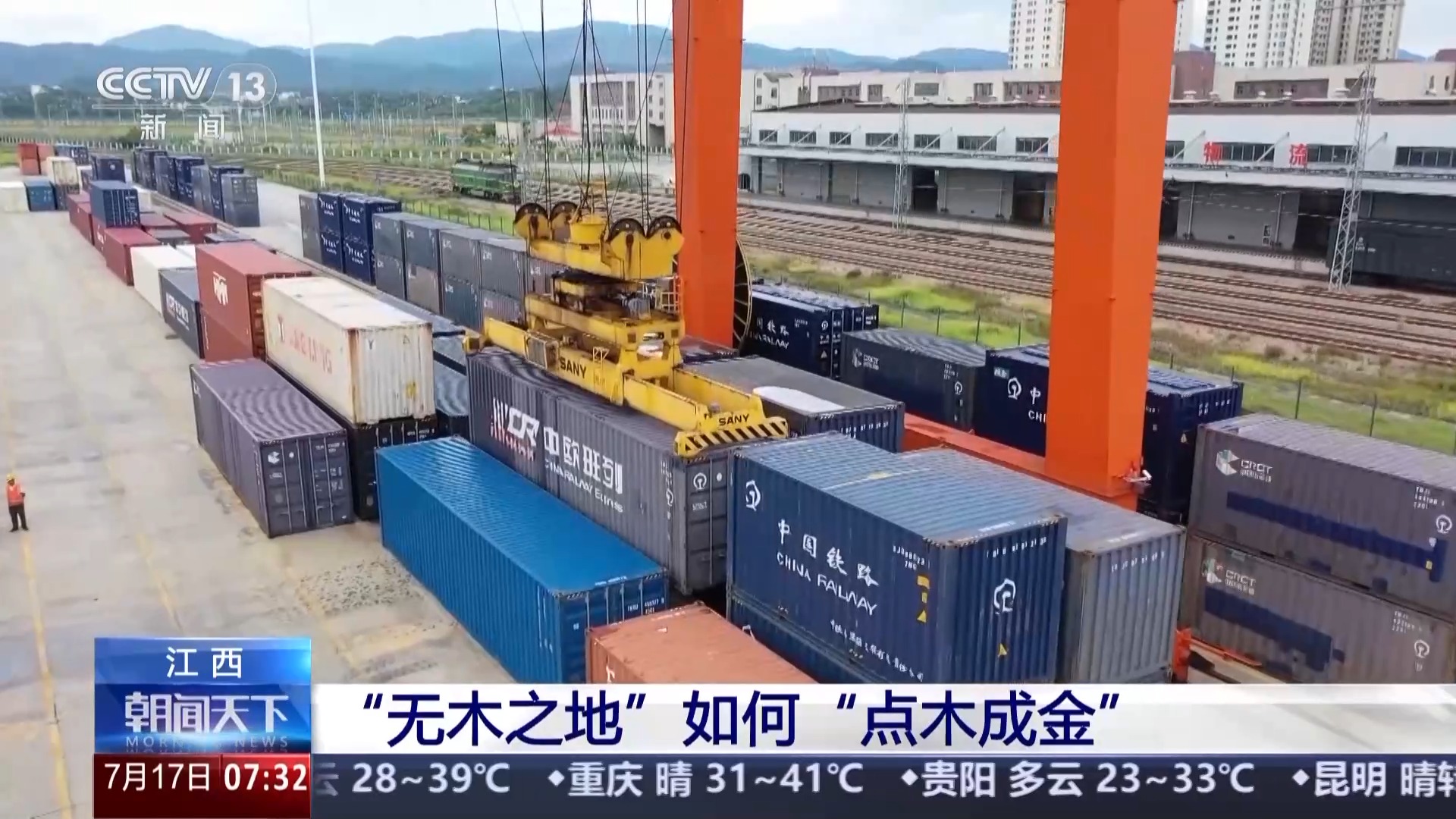
Vibrant China Research Tour | Furniture industry "links" 500,000 jobs: How can a small town "turn wood into gold"?
-
2024 Annual Report on China's Wooden Door Industry


Zhenzhi Wood
Copyright © 2005-2015 Shanghai Zhenzhi Wood Industry Co., Ltd. All Rights Reserved.

点击右上角
分享给朋友吧
